Tracing the Pulse of Updates
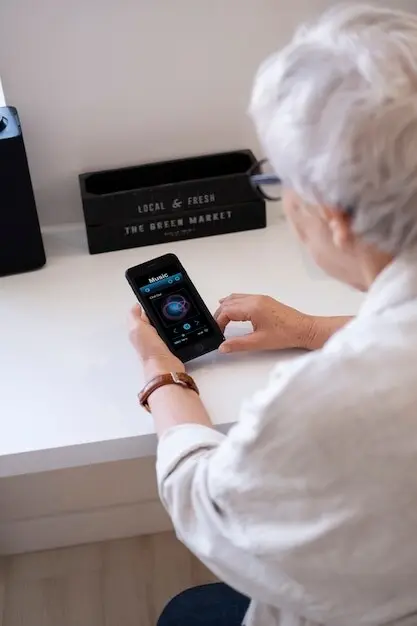
Join us as we explore Software Update Journey Logs: How Devices Evolve Over Time, following builds, patches, and quiet refinements that reshape daily experiences. We will chart real milestones, decode changelogs, and listen to user stories that turn version numbers into living narratives. Expect practical insights, a few surprising twists, and invitations to share your own update victories or frustrations, so our collective understanding becomes sharper, kinder, and more helpful for everyone.

From 1.0 to Today: Milestones That Shaped Devices

The first big leap

The earliest leap often feels miraculous, yet rough edges quickly reveal themselves. Maybe a camera finally focused reliably, or notifications learned manners overnight. Users remember where they were when scrolling became silk instead of sandpaper. These memories form the heartbeat of progress, reminding us that behind every polished feature sit bug reports, late-night hotfixes, and patient testers who filed that one ticket that unlocked a smoother tomorrow for millions they will never meet.

When stability outran novelty

Some releases decide that reliability is the only headline worth printing. Crashes retreat, standby time doubles, Wi‑Fi stops ghosting, and people notice because they stop noticing problems. It is tempting to dismiss such updates as unexciting, until you realize uninterrupted days are the quiet luxury many needed. Stability-focused cycles prove that progress is not always louder; sometimes the most transformative change is the graceful absence of drama and a device that simply stays out of the way.

The quiet revolutions in background services

Services humming beneath the interface often define the real experience. Smarter schedulers defer work while you sleep, radios negotiate power with wit, and sync engines respect spotty trains and coffee shop routers. These invisible revolutions make mornings feel lighter because nothing nags for attention. Reading their journey logs reveals the artistry of constraints: scarce battery, fickle networks, impatient thumbs. When background work becomes considerate, foreground moments feel almost magical without anyone quite explaining why it suddenly feels right.

Inside a Rollout: Canary, Staged, and Global Releases

Rollouts are living experiments balanced between urgency and caution. Teams ship to tiny canary cohorts, study crash fingerprints and battery deltas, then widen rings only when signals reassure. Staged percentages climb as confidence grows, and rollback plans stay rehearsed like seatbelts you hope never to need. Observing these rhythms teaches patience, respect for telemetry, and empathy for engineers navigating trade‑offs. Understanding release choreography empowers users to plan, provide meaningful feedback, and feel included in the unfolding story.

01

Canary cohorts and meaningful risk

Canary groups volunteer for the frontier, where rough edges hide like shy bugs in fresh code paths. They lend eyes, habits, and unpredictable routines that stress assumptions better than any lab script. In return, teams answer quickly, slice fixed builds, and say thank you with transparency. The relationship works because courage meets accountability. If you join such cohorts, report precisely, include steps, and share real contexts. Honest notes can rescue countless mornings for people you will never meet.

02

Staged waves that listen before leaping

Staged rollouts are disciplined listening exercises. Ten percent receive the update, then fifteen, then a thoughtful pause while dashboards whisper truths. Crash clusters sometimes bloom, battery regressions wobble, or a beloved accessory misbehaves. Decisions follow data, not ego, and teams adjust with humility. Watching these waves teaches patience: if you want the earliest improvements, accept the earliest surprises. Prefer certainty? Wait a tide or two. Either way, the ocean keeps moving, and lessons become the next safer launch.

03

Full release days and the art of readiness

Global release days feel like opening night, except the audience spans continents and time zones. Support queues are staffed, status pages refreshed, and rollback switches sit one calm command away. Good launches respect human limits with schedules that avoid midnight heroics. Great launches share clear notes, highlight known issues, and invite feedback without defensiveness. When readiness is practiced, the moment becomes a celebration of teamwork and trust, not luck. Devices everywhere quietly step forward together, stronger for the rehearsal.

Firmware over the Air: The Invisible Bridge

Over‑the‑air updates weave a delicate bridge between intention and hardware reality. Bootloaders verify signatures, A/B partitions offer safe landings, and delta packages trim bandwidth so rural connections keep pace. Checksums guard against chaos, while power thresholds prevent tragedies from dying batteries mid‑flash. Reading these journeys demystifies fear and builds confidence. Updates should feel like kindness, not roulette, turning maintenance into a calm ritual. When the invisible bridge holds, your device simply wakes wiser, grateful you trusted the crossing.

Delta magic and bandwidth kindness

Delta updates whisper, not shout. Instead of hauling entire images, they deliver only changed bits, saving time, money, and patience on constrained networks. This efficiency matters to commuters tethering on trains, families protecting data caps, and rural homes sharing a single tower’s breath. Deltas demand careful patching logic and robust verification, but the reward is elegant. Your device receives precisely what it needs, no more, no less, proving considerate engineering can feel like empathy wearing a clever algorithm’s coat.

A/B slots, rollbacks, and sleeping peacefully

Seamless updates divide storage into twin slots, so one boots while the other learns new tricks. If trouble appears, rollback is a polite step backward, not a panic sprint. Nighttime schedules align with chargers, networks, and calendars, reducing friction to almost nothing. This choreography respects lives, not just devices. Confidence grows because failure has a soft mattress, and success rarely interrupts. When recovery is thoughtful by design, people stop fearing updates and start embracing the promise of frequent, safer improvements.

Edge cases from spotty networks to dying batteries

Real life refuses to be a perfect lab. Elevators steal signal, batteries fade at awkward percentages, and routers reboot during critical checks. Good updaters anticipate chaos with resumable downloads, verified chunks, and power thresholds that refuse risky flashes. Logs capture clues gently, helping support solve mysteries without prying too deeply. When edge cases are honored, users feel protected rather than blamed. The result is trust, built one careful decision at a time, where resilience matters more than theatrical speed.

Changelogs that Actually Change Behavior

Release notes are invitations to understanding, not legal disclaimers in disguise. Clear, human language sets expectations, highlights delightful improvements, and acknowledges known quirks with humility. Great changelogs connect fixes to everyday moments, explaining why a tweak matters to scrolling thumbs, late‑night readers, or parents juggling strollers and coffee. When stories replace slogans, adoption accelerates gracefully. People update sooner, help others, and share discoveries. Words become a gentle map through change, honoring attention as the rare resource it is.

Plain language that respects time

Skip jargon where empathy will do. Say “Bluetooth pairing is faster with cars and earbuds” instead of “optimized protocol negotiation.” People care about morning commutes more than acronyms. Crisp bullet points, clear headlines, and honest caveats save minutes that add up across millions. Respect breeds trust, and trust becomes momentum. If you write changelogs, imagine a friend skimming between stops. Help them decide quickly and feel safe. Clarity spreads like sunlight, making the whole journey warmer for everyone.

Connecting fixes to real-life moments

A bug fix gains meaning when tied to an everyday scene. “Alarm now rings after daylight saving changes” reassures sleepy Mondays. “Camera no longer stutters in low light” tells parents birthday candles will sparkle properly. These details transform abstract correctness into lived relief. Add a short why when possible, honoring the puzzle’s complexity without preaching. Users remember kindness. They repay it with patience, better reports, and word‑of‑mouth that navigates future updates past fear toward well‑earned enthusiasm.

Easter eggs and the joy of discovery

Small surprises build affection. A tasteful animation, a new sound that feels familiar, or a hidden shortcut shared by power users can turn routine updates into tiny celebrations. Communicate enough to invite exploration, not so much that wonder evaporates. Celebrate community finds and credit the curious. These playful touches, when balanced with responsibility, help updates feel less transactional and more personal. Delight disarms skepticism, keeping the journey lively without distracting from the serious business of security and reliability.

Security Patches, Trust, and the Ticking Clock

Security work is a race against unfolding possibility. CVEs arrive with dry identifiers but very human consequences, and patch windows stretch between discovery, testing, and thoughtful communication. Good cadence turns fear into confidence through transparency, responsible disclosure, and timely action. Devices aging gracefully still deserve protection, even when hardware limits bite. The best stories end with calm users who slept soundly because the difficult decisions were made upstream. Trust accumulates slowly, and every well‑handled patch deposits another quiet coin.

From CVE to comfort in your pocket

A vulnerability starts as a terse note, then grows into triage meetings, reproducible steps, and a fix that refuses to break something else. Once verified, patch packages head to rings, telemetry scans for unusual crashes, and communication explains risk without panic. Finally, your device updates while you brew tea. The chain only works because each link respects the next. The outcome is ordinary bliss: nothing happened, because everything happened carefully, and your pocket kept its quiet promises another day.

Coordinated disclosure and human calm

Security thrives on cooperation. Researchers, vendors, and platforms align timelines so fixes exist before details go public. It is choreography demanding diplomacy and precision, not secrecy for its own sake. When disclosure lands, notes should guide administrators and reassure everyday readers. Updates roll out with urgency married to restraint, proving maturity. Calm communication matters as much as code, because people deserve context without alarm bells. When everyone keeps their heads, patches travel faster, and fear finds fewer places to live.

Telemetry with a Conscience

Metrics should illuminate, not intimidate. Collect only what helps fix crashes, improve battery life, and debottleneck real journeys, with consent that feels like a handshake, not a labyrinth. Aggregate where possible, anonymize where prudent, and explain choices in human words. Differential privacy, coarse timestamps, and sampling can balance learning with dignity. When users see the benefit, participation rises. When they feel spied on, even good ideas wilt. Conscience turns graphs into relationships shaped by mutual respect.

Signals, not surveillance

Good telemetry behaves like a lighthouse, not a searchlight. It guides with aggregate trends, avoids individual voyeurism, and documents retention so nothing lingers without purpose. Clear dashboards steer priorities: crash loops, janky transitions, battery hogs. Share summaries publicly when possible, inviting scrutiny that strengthens practice. When people understand both limits and gains, they feel invited to help. A respectful signal helps updates land smarter, safer, and kinder, because the data remembers it represents lives, not just devices.

Anomalies that write the next sprint

Every odd spike in logs hides a story, sometimes an edge case turned widespread pain. Treat anomalies as narrative seeds: reproduce, isolate, and test with empathy. Then let insights steer the next sprint, not vanity metrics. Teams that listen to outliers often unlock breakthroughs for mainstream users, too. Tie fixes to objectives you can explain to a neighbor, not only to a dashboard. When numbers become conversations, priorities sharpen, and updates ship with the confidence of earned understanding.

Opt-outs that still feel invited

Respect includes a graceful way to say no. Settings should offer control without guilt, explaining what changes when telemetry sleeps. Even with reduced data, design feedback channels that welcome stories, screenshots, and steps. People who decline analytics can still shape better updates through human notes and community threads. Treat opt‑outs as collaborators, not obstacles. When autonomy is honored, trust grows, and many eventually opt back in because they recognize a relationship guided by choice, clarity, and demonstrated care.

User Stories that Steer the Roadmap

Beyond metrics, lived experiences give updates a face and a heartbeat. Support queues, community forums, and beta feedback transform abstract requests into names, mornings, and neighborhoods. Priorities shift when a caregiver needs larger controls or a student depends on offline notes. Sharing these stories respectfully helps teams choose work that matters most. Add your voice, subscribe for future walkthroughs, and challenge assumptions kindly. Together we turn releases into companions that understand, rather than strangers that merely arrive unannounced.

A commuter and a battery icon’s second chance

One rider’s daily drop from sixty to ten percent by sunset sparked a battery investigation. Logs revealed a misbehaving location wakeup around train tunnels. The fix was small but life‑changing, and suddenly evenings belonged to music, not chargers. That note, written between stops, reshaped priorities for an entire team. Share your oddly specific days. Precision beats poetry when diagnosing power. The next improvement might start as a hurried message sent just before the doors slide closed.

Grandma’s tablet and accessibility finding its voice

A granddaughter described how magnification, contrast, and voice guidance turned weekend calls from frustrating to joyful. Simple defaults and clearer labels, shipped quietly in an update, rewrote family rituals. Engineering felt different after reading that email. Accessibility is not a specialty corner; it is the doorway everyone uses eventually. Tell us what gestures confuse, what sizes comfort, and which colors breathe easier. When updates amplify inclusion, devices stop feeling intimidating and start feeling like patient companions in ordinary homes.

Gamers, frame pacing, and the week latency left town

A subreddit lit up after a patch smoothed frame pacing and trimmed input latency. Charts showed modest improvements; players felt the difference in reflexes and rhythm. Community clips, side‑by‑side comparisons, and candid critiques guided a follow‑up hotfix that finished the job. That week proved partnership works: passionate users and responsive engineers chasing the same satisfying click. If you measure, share. If you notice, describe. Games taught us again that performance is perception, and perception improves when we listen deeply.
Rinolorokarotemimexomira
Privacy Overview

This website uses cookies so that we can provide you with the best user experience possible. Cookie information is stored in your browser and performs functions such as recognising you when you return to our website and helping our team to understand which sections of the website you find most interesting and useful.